
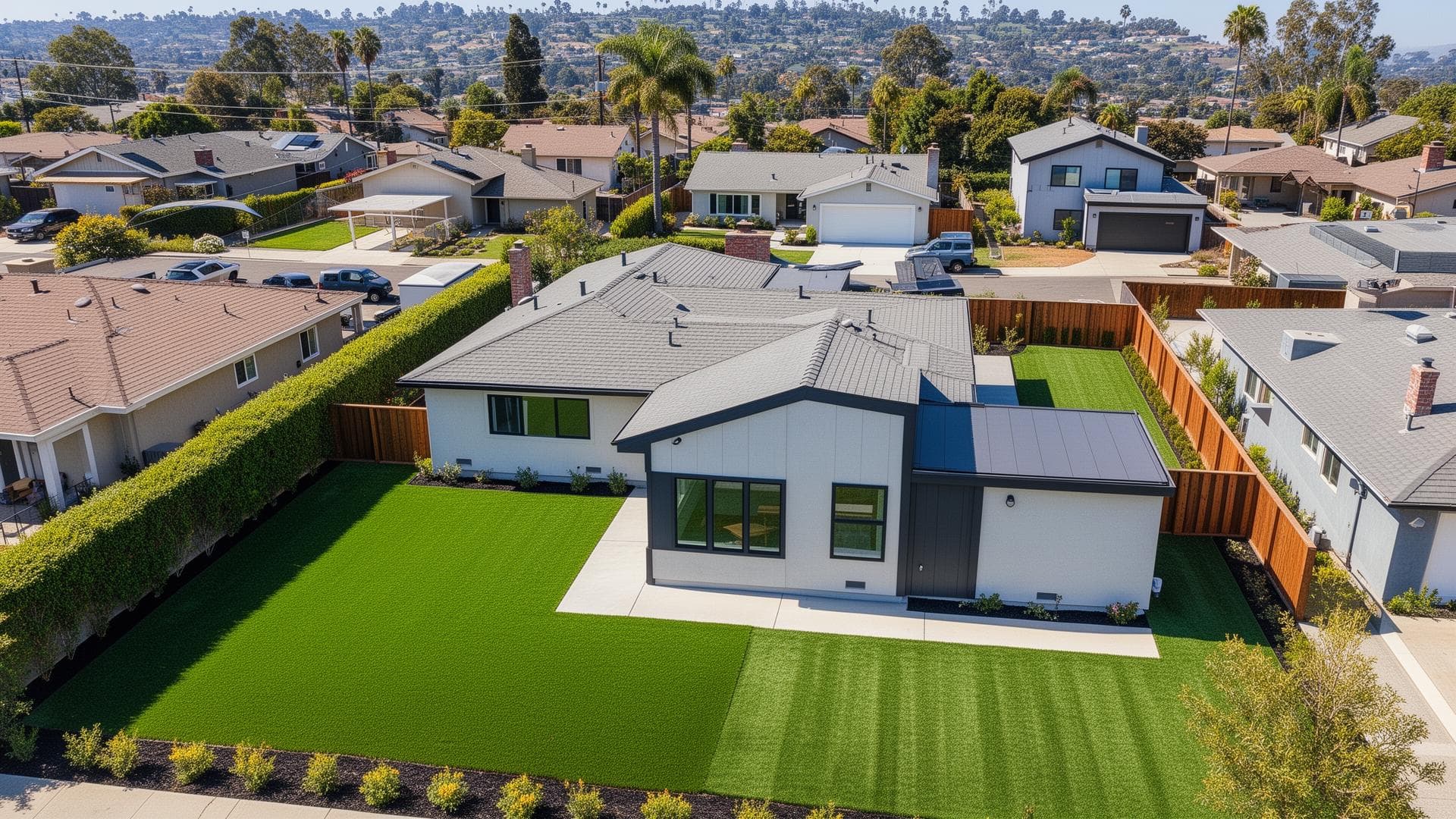
Everything You Need to Know About ADUs
Your complete guide to accessory dwelling units—what they are, the different types, why homeowners build them, and how to get started.
What is an ADU?
An Accessory Dwelling Unit (ADU) is a secondary housing unit located on the same lot as a primary residence. ADUs are self-contained living spaces that include their own kitchen, bathroom, and private entrance.
You might hear them called granny flats, in-law suites, casitas, backyard cottages, or guest houses. While the names vary, the concept is the same: a compact, independent home that makes the most of your existing property.
ADUs are one of the fastest-growing housing trends in the country, especially in California, where state legislation has made it easier than ever to add one to your property. Whether you're looking to generate rental income, house a family member, or simply increase your home's value, ADUs offer a flexible and high-impact solution.
What does a typical ADU include?
Types of ADUs
There are three main types of accessory dwelling units, each with unique advantages depending on your property, budget, and goals.
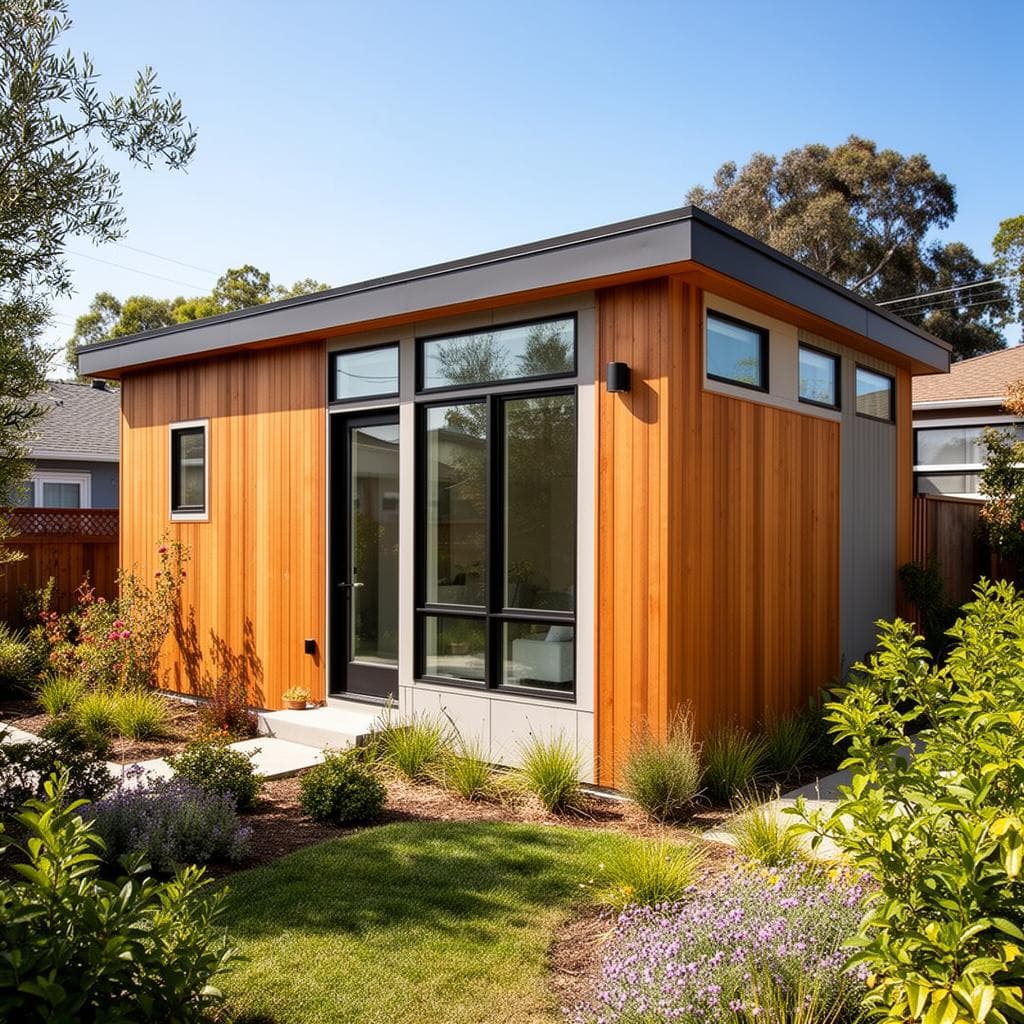
Detached ADU
A standalone structure built separately from your main home. Detached ADUs offer maximum privacy and flexibility in design, making them ideal for rental units or guest houses.
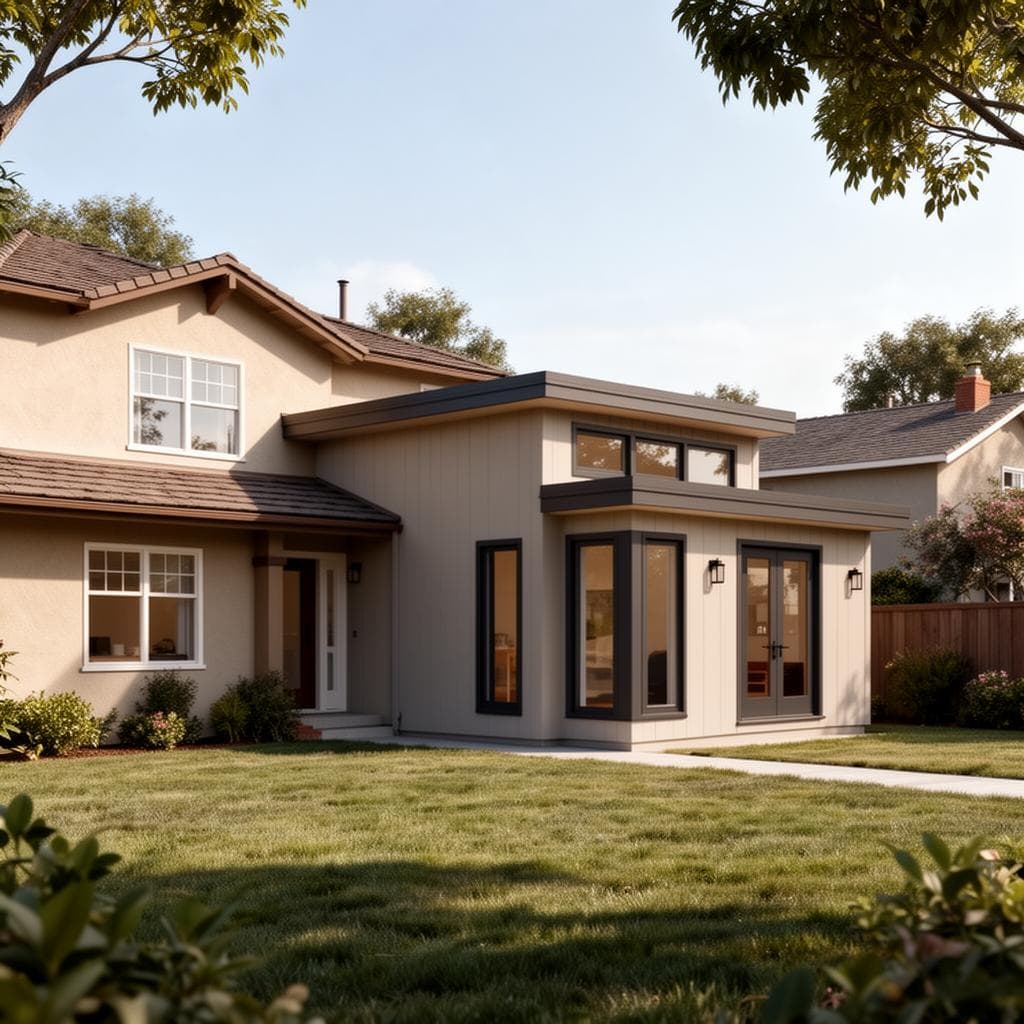
Attached ADU
An addition built onto your existing home, such as a bump-out or second-story expansion. Attached ADUs share a wall with the primary residence and can be more cost-effective to build.
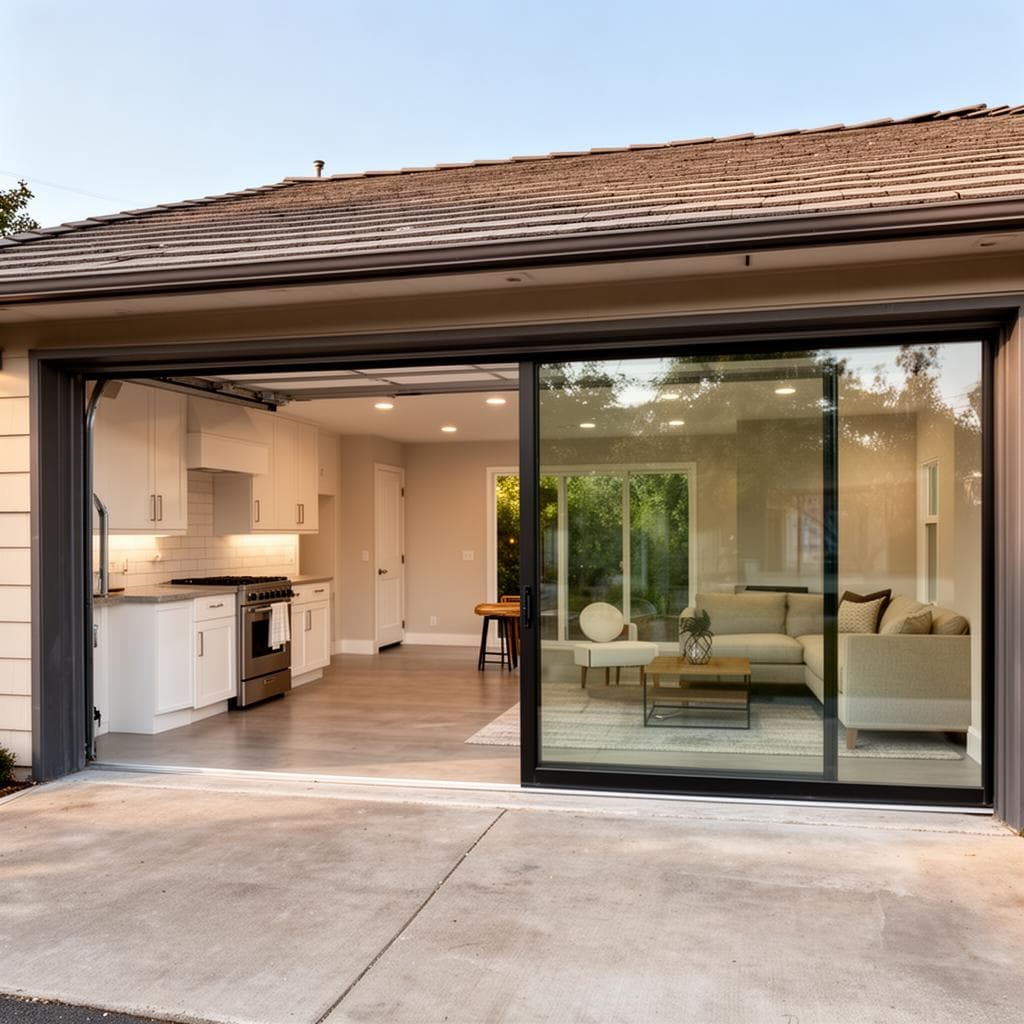
Conversion ADU
Transform existing underutilized space—like a garage, basement, or bonus room—into a fully functional dwelling unit. Conversions are often the fastest and most affordable path to an ADU.
Why build an ADU?
ADUs are one of the most versatile investments a homeowner can make. Here are the top reasons people build them.
Rental Income
Generate consistent passive income by renting your ADU. Many homeowners offset their mortgage or earn $1,500–$3,000+/month depending on location and unit size.
Multigenerational Living
Keep family close while maintaining independence. ADUs are perfect for aging parents, adult children, or extended family who want privacy with proximity.
Home Office or Studio
Create a dedicated workspace completely separate from your living area. No commute, no distractions, and a clear boundary between work and home life.
Property Value
ADUs can increase your property's appraised value significantly. In many California markets, a well-built ADU adds $150K–$300K+ in value to your home.
Guest Accommodations
Offer visitors a private, comfortable space with their own kitchen and bathroom. Perfect for frequent guests, live-in caregivers, or au pairs.
Age in Place
Downsize into your ADU while renting out or gifting the main house to family. Stay on your property without the burden of maintaining a larger home.
ADU Laws & Regulations
Every state and city has its own ADU rules. California has been a leader in ADU-friendly legislation—here are the key regulations that make building easier than ever.
Size & Setbacks
California requires cities to allow at least 850 sq ft (1BR) or 1,000 sq ft (2BR+) ADUs with just 4-foot side and rear setbacks. Many cities permit up to 1,200 sq ft.
Reduced Fees
Many impact and development fees for ADUs have been waived or significantly reduced. Key thresholds at 500, 750, and 1,000 sq ft can affect fee amounts.
No Owner Occupancy
You're no longer required to live on the property to build an ADU. This means investors and landlords can add ADUs to rental properties too.
HOA Protections
Homeowners associations cannot unreasonably block ADU construction. State law overrides HOA restrictions that would prevent you from building.
Parking Waived
No additional parking is required if your property is within ½ mile of public transit. Even without transit access, driveway spaces often suffice.
Fast Approvals
Building departments must act on ADU applications within 60 days. While full permitting may take 3–8 months, the initial review is time-bounded.
Common Challenges & How to Navigate Them
Building an ADU is rewarding, but it's not without hurdles. Here's what to watch for and how to stay ahead.
Permitting & Approval Delays
Tip: Start early and work with professionals who understand your city's specific requirements. Every jurisdiction interprets ADU rules differently, and local expertise can save you months.
Design Constraints
Tip: Lot size, setbacks, slope, and height limits all affect what's possible. Run a feasibility analysis before investing in design so you're only planning what's realistic for your site.
Budget & Financing
Tip: Get transparent pricing early. Costs can vary dramatically based on unit size, site conditions, and finishes. Explore financing options like HELOCs, renovation loans, or ADU-specific lending programs.
Construction Coordination
Tip: A smooth design means nothing if the build goes off track. Work with experienced teams who manage the full process—design, permitting, and construction—under one roof.
Frequently Asked Questions
What does ADU stand for?
What's the difference between an ADU and a guest house?
What is a Junior ADU (JADU)?
Are tiny homes considered ADUs?
How many ADUs can I build on my property?
How much does an ADU cost to build?
How long does it take to build an ADU?
Ready to explore your property's ADU potential?
Enter any address to instantly see what ADUs are allowed on your lot, visualize placement options, and estimate rental income.
Check Your Property